Q-TIMBER – Our Robinia Timber Range
The Q-TIMBER Robinia timber range comprises a wide selection of Robinia wood products for professional outdoor applications. It includes roundwood, sawn timber, squared timber, finger-jointed and laminated Robinia timber, as well as Robinia poles, posts, fencing and fence systems. This allows you to select the right material for a wide variety of requirements and applications – from standardised solutions to project-specific specifications.
Flexibility & Custom Solutions
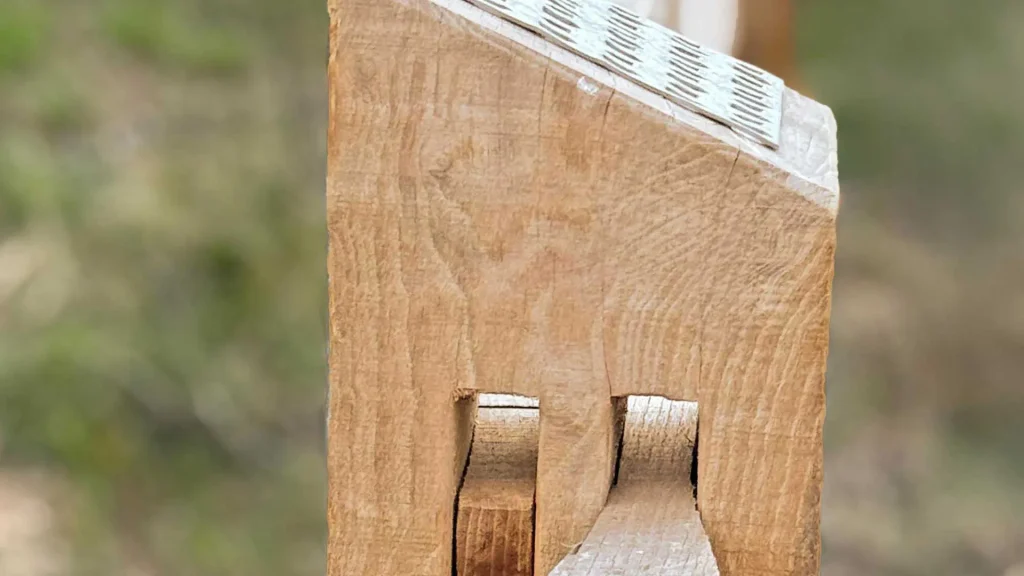
Robinia timber is a material with a high level of technical and design potential. For this reason, our product range is deliberately not defined as final. If your project requires specific dimensions, grades or processing options, we assess the technical feasibility together with our production partners.
At the same time, we continuously collaborate with experienced and innovative manufacturers who share our standards for material quality, workmanship and responsible sourcing. This results in tailor-made Robinia timber solutions for demanding outdoor applications on a regular basis.
Sustainability & FSC® Certification
For selected products, we offer FSC®-certified Robinia timber. This enables you to realise projects that combine responsible forest management, transparent origin and proven material quality – without compromising durability or suitability for outdoor use.
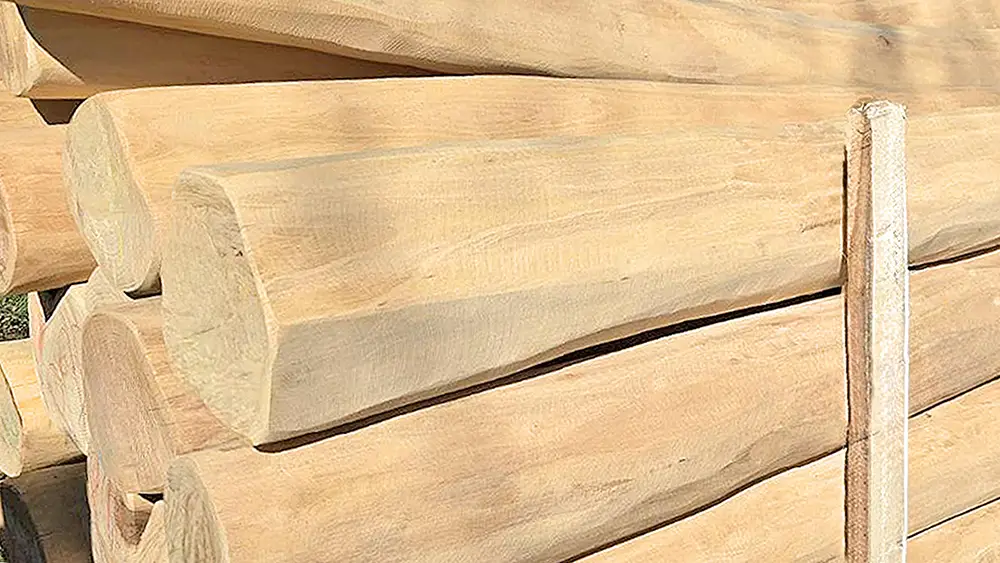
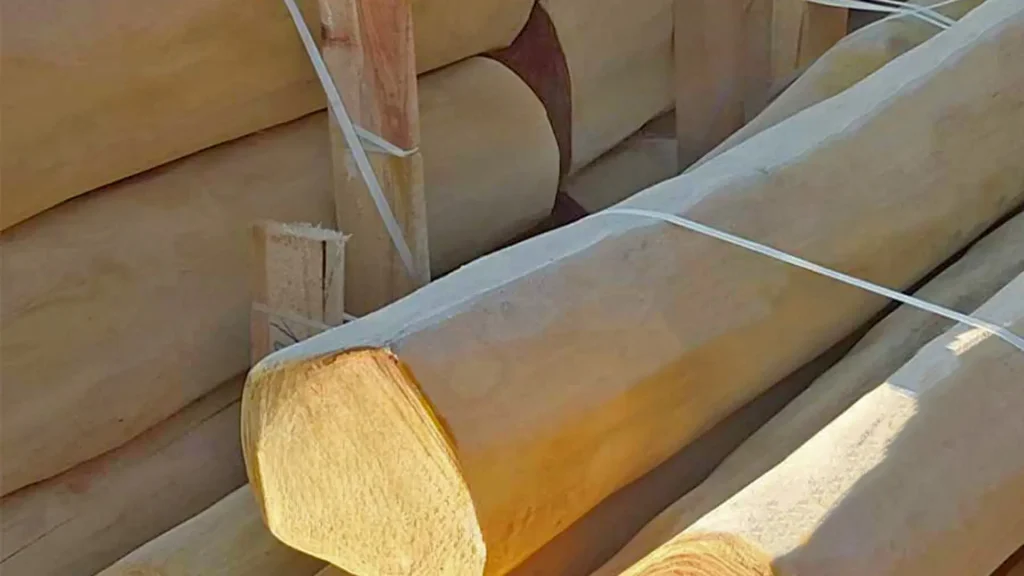
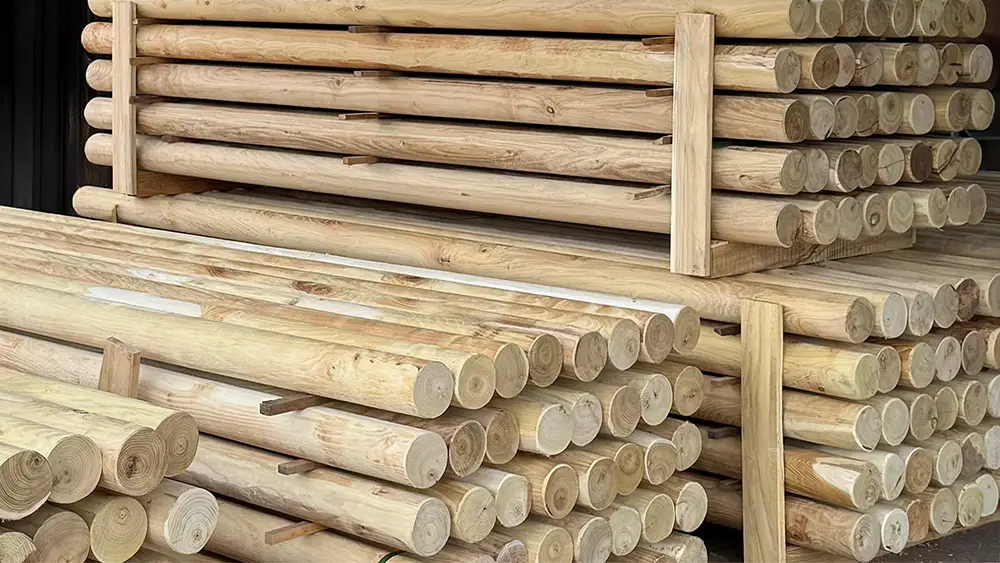
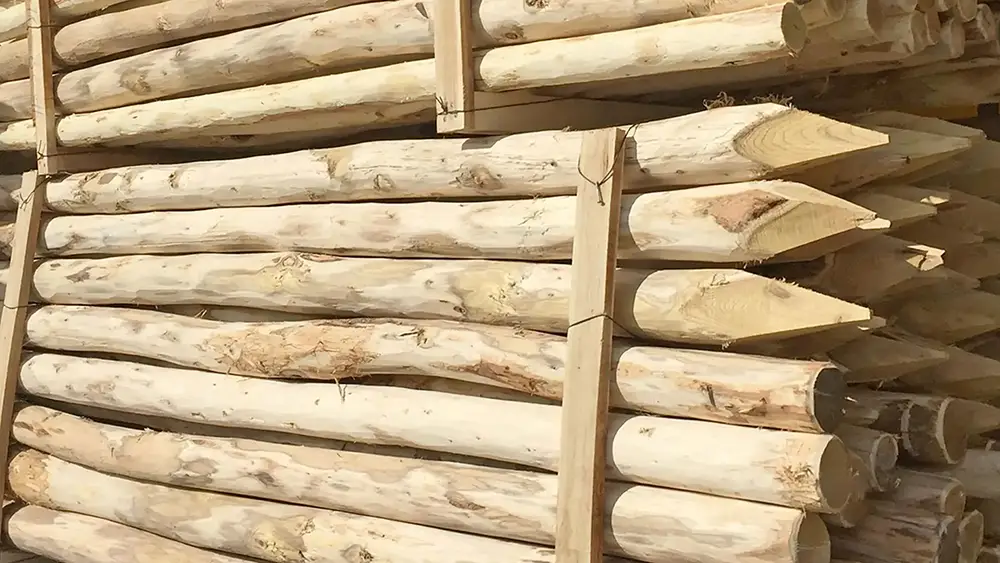
Robinia roundwood is a proven material for natural-looking and long-lasting outdoor applications. It is particularly well suited for playground construction, landscaping and gardening, water engineering projects, as well as agricultural and forestry applications. Thanks to its organic shape, Robinia roundwood integrates harmoniously into natural environments.
Q-TIMBER Robinia roundwood stands for consistently high quality. The raw material is carefully selected and processed on a project-specific basis – with or without bark, debarked, single or multiple sanded, or cylindrically milled, depending on technical and functional requirements.
The Robinia roundwood product range includes:
- Sapwood-free roundwood
- Palisades in natural shape or cylindrically milled
- Robinia roundwood paving
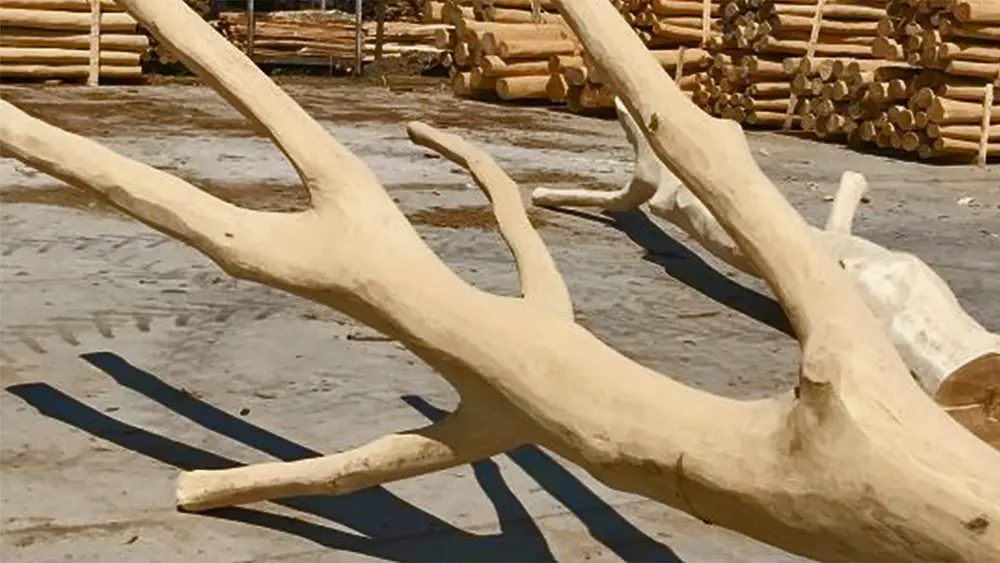
- Sleepers, forked trees and root sections
- Climbing trees for playgrounds
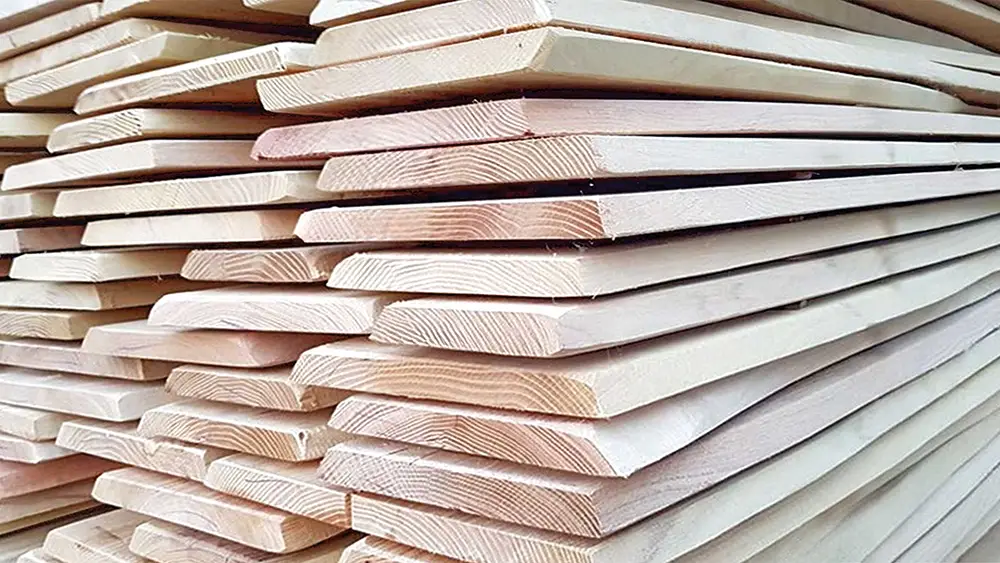
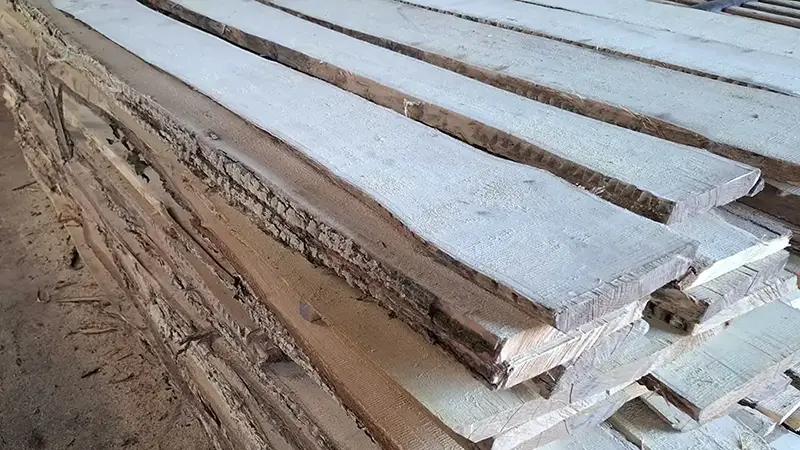
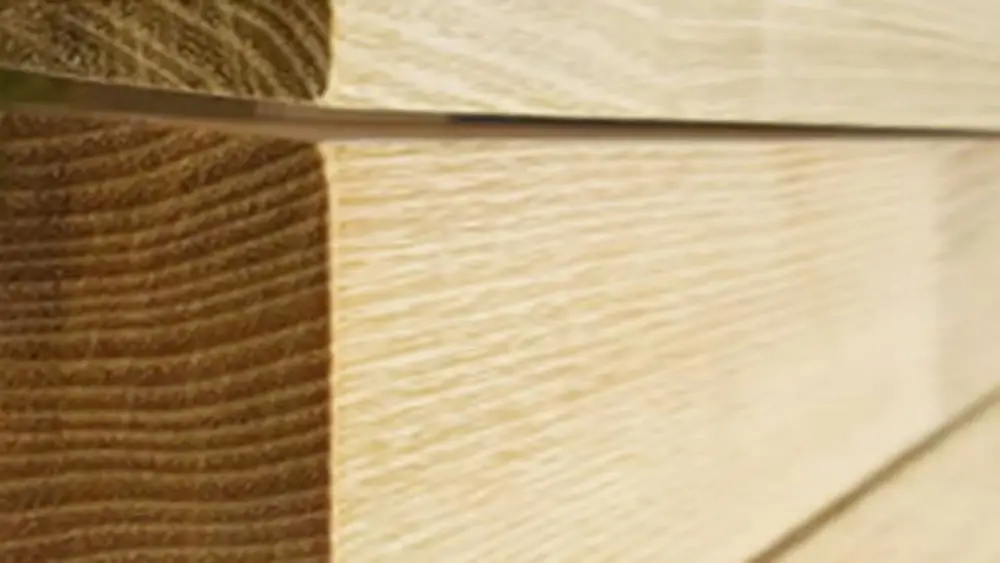
Robinia sawn timber combines natural aesthetics with high resistance. It is naturally weather-resistant, durable and suitable for a wide range of outdoor applications. The Q-TIMBER sawn timber range includes edged and unedged boards in various dimensions and grades.
Typical applications for Robinia sawn timber include:
Decking, fencing and structural elements in landscaping and garden construction
Rustic outdoor furniture and seating elements
Custom projects with specific design requirements
Each board is characterised by its unique grain pattern and warm colour tones, giving projects an authentic and natural appearance.
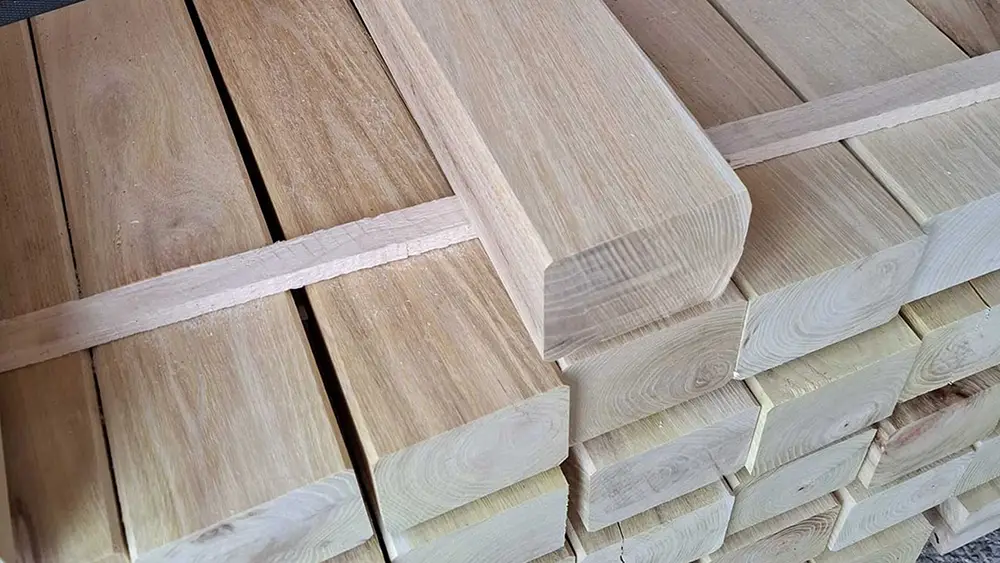
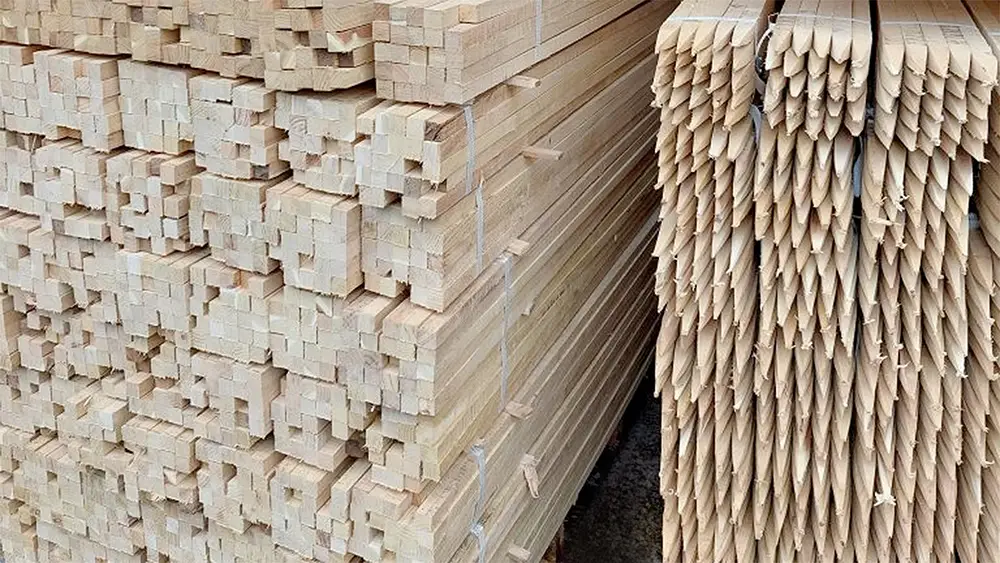
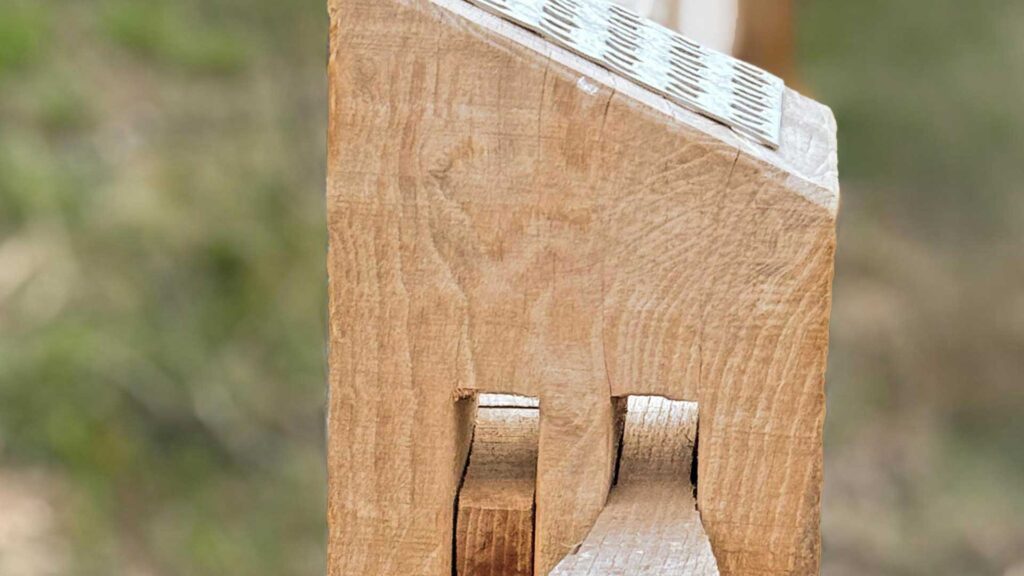
Robinia squared timber is characterised by its high natural durability, excellent mechanical strength and long service life in outdoor applications. Compared to many other wood species, Robinia offers clear advantages – particularly for load-bearing and permanently stressed structures.
Thanks to these properties, Robinia squared timber is ideally suited for:
Playground and fitness equipment
Posts, pergolas and substructures
Terrace substructures
Components with direct contact to soil or water
The Q-TIMBER Robinia squared timber range offers a wide selection of dimensions and processing stages, suitable for structural applications in landscaping, garden construction and professional outdoor projects.
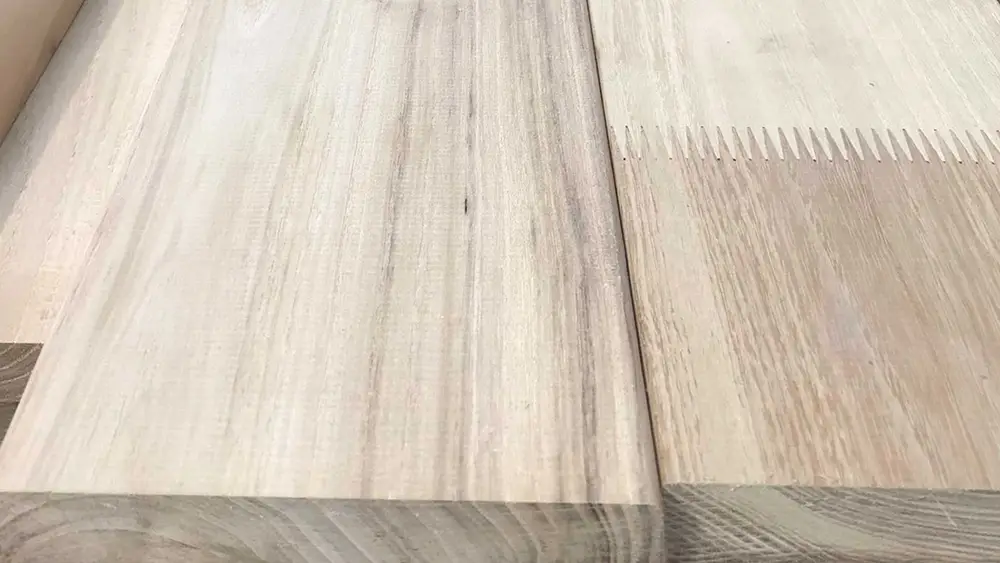
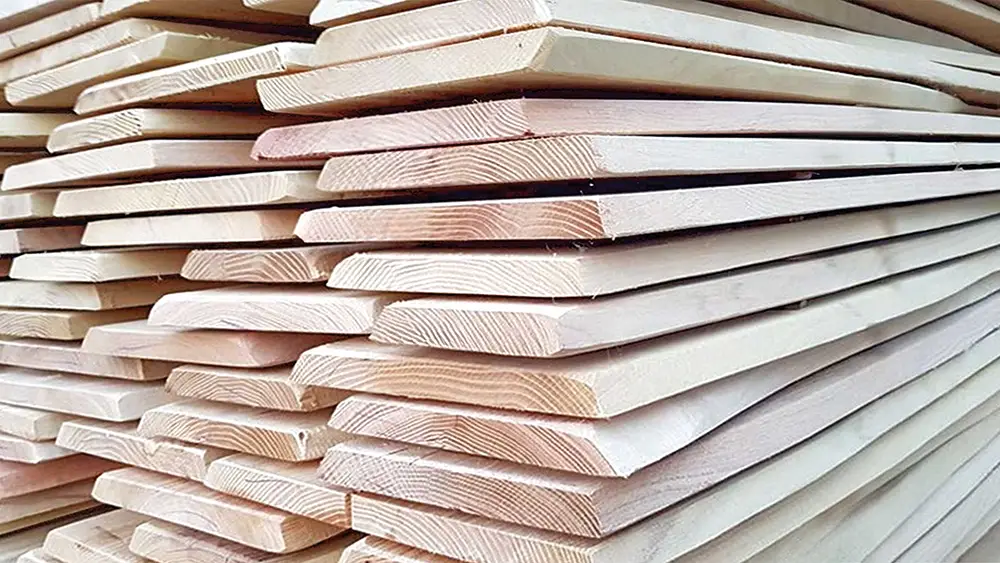
Finger-jointed and glued Robinia timber combines the natural durability of Robinia with the advantages of precise technical processing.
Through finger jointing, kiln drying (KD) and waterproof bonding, dimensionally stable and accurate components are produced, allowing for greater lengths and cross-sections.
The product range includes, among others:
Robinia decking boards
Robinia bench slats
Robinia cladding profiles
Robinia rhombus slats
Robinia substructure timber
Finger-jointed Robinia glued timber is suitable for high-quality outdoor applications – from decking and façades to garden and architectural projects.
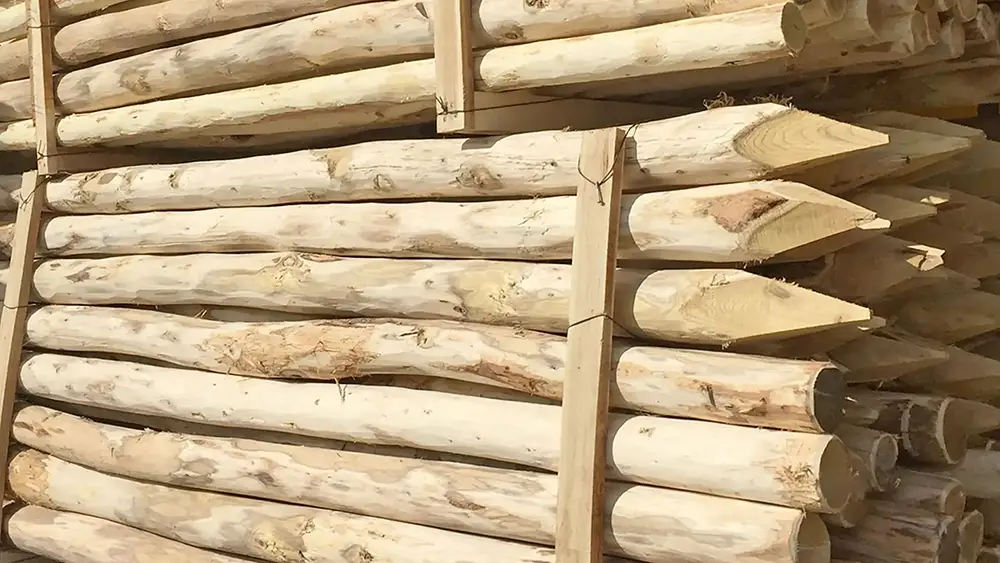
Robinia posts, rails and plant stakes are the preferred choice for long-lasting outdoor applications. Thanks to its high natural durability, Robinia can be used in direct ground contact over the long term, even without chemical or thermal treatment.
Typical fields of application include:
Agriculture and forestry
Pasture and fencing systems
Landscaping and garden construction
Viticulture
Debarked Robinia timber is regarded as safe for animals in practical use and has been successfully used for many years in horse and livestock farming.
The Q-TIMBER range of Robinia posts includes a wide selection of lengths, diameters and processing options, tailored to different project requirements.
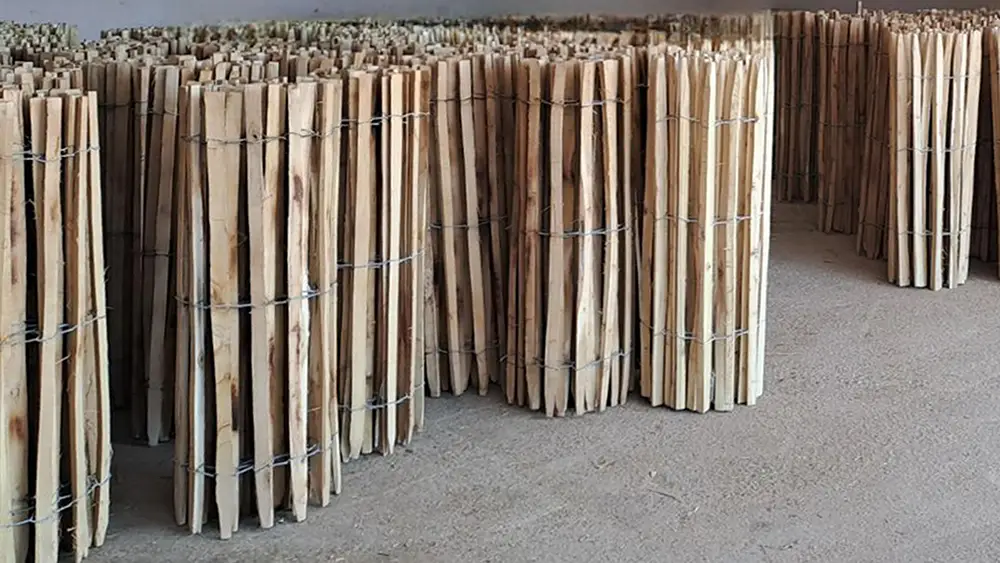
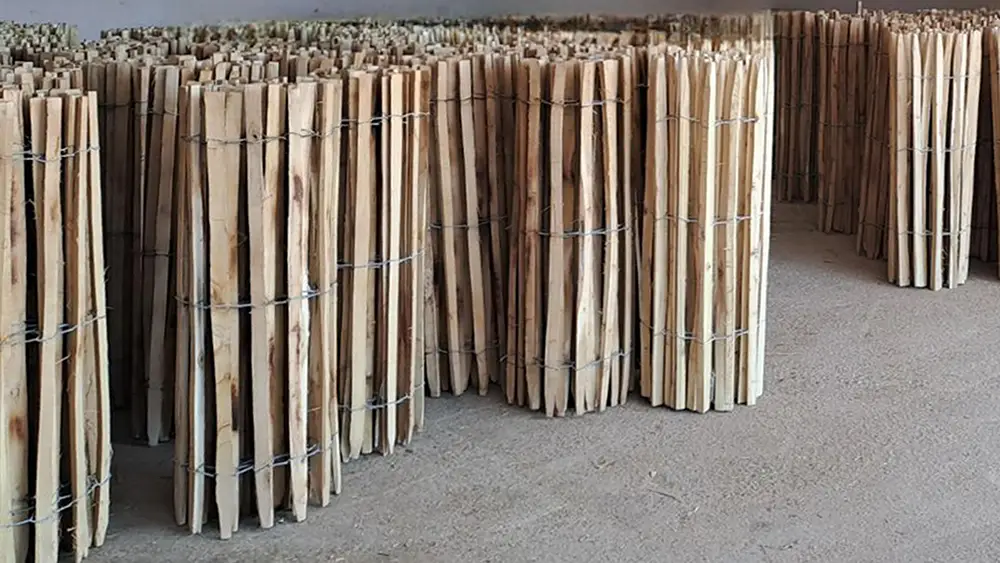
Robinia fencing and fence systems are characterised by their exceptional durability and weather resistance. Robinia is naturally durable and does not require chemical impregnation, even when used permanently outdoors.
The Q-TIMBER range of Robinia fencing includes:
Roll fencing and chestnut-style paling fences in various grades and lengths
(significantly more robust than comparable products made from chestnut or hazel)Individual fence pales
Fence systems for horse keeping, stud farms and equestrian facilities
Thanks to their natural appearance, high structural stability and long service life, Robinia fences provide a functional yet aesthetically pleasing solution for demanding outdoor environments.
Frequently asked questions – FAQ
Our answers to your questions about Robinia wood products, our range, the care and processing of Robinia wood, as well as our services, order handling and delivery options. If you have any further questions, we will be happy to advise you individually.
What products do you have in your range?
We stock all standard robinia products in all common sizes and finishes. From round timber to sawn timber and square timber to posts and fences. We can also supply top-quality glued robinia for terraces, façades and construction.
In addition, we are happy to help you realise your individual wishes.
Do you have FSC certification?
Q-Timber is FSC certified. You can download the certificate here on the website.
Does Q-Timber offer playground-grade robinia wood?
Yes! Our playground timber meets the requirements of DIN EN 1176.
It is available in various grades of sanding and is completely free of sharp edges.
Ask us about forked logs, root logs and climbing trees.
What exactly is robinia or black locust?
The black locust (Robinia pseudoacacia), also known as false acacia, is a deciduous tree that originated in North America and has spread throughout Europe since the 17th century. It is a heat-loving, drought-tolerant tree that also thrives in nutrient-poor soils. It therefore meets many criteria for sustainable urban greening and is considered an important tree for the future in the context of climate change.
The black locust, which was named Tree of the Year in 2020, is controversial because it spreads rapidly via root runners and is considered invasive in some regions, where it could displace natural vegetation, especially on poor sandy or dry grassland sites.
The black locust is a fast-growing tree with a loose crown that allows light to pass through. Its leaves are pinnate, light green and soft, and its branches have thorns for protection.
In June, the black locust tree is in bloom with large, sweet-smelling white flowers that attract all kinds of insects. The flowers have a high nectar value and are among the best bee pastures in Europe, making the black locust tree a valuable contributor to the fight against species extinction. The nectar extracted is the raw material for acacia honey.
Robinia wood has similar properties to tropical woods and is a reliable alternative, especially for outdoor constructions. By using European robinia wood, we are making a sustainable contribution to counteracting deforestation and the destruction of tropical forests.
Is robinia the same as acacia?
No. The black locust (Robinia pseudoacacia L.) is not related to the true acacia, but merely belongs to the same plant family (legumes).
Because its leaves and flowers are similar, it is often referred to as ‘false acacia’ in Europe. Botanically, however, they are two different genera.
The true acacia originates from the tropics and subtropics, is not winter-hardy in our climate and is rarely used as timber in Europe. When people talk about ‘acacia wood’ in this country, they usually mean black locust wood.
What are the advantages of robinia wood?
The advantages of robinia wood are clear when used outdoors.
Compared to robinia wood, the cheaper types of wood such as pine and spruce are much softer and, when untreated, are not suitable for long-term outdoor use. They must first be pressure-treated (KDI). This involves pressing chemicals into the wood, which are then released back into the environment over time. At the end of its useful life, the wood must be disposed of as hazardous waste.
Harder native wood types such as ash or beech must also be treated – thermally – in order to achieve the necessary durability for outdoor use. The wood is heated to 250 °C for 1-2 days, during which oxygen is removed to destroy the nutrients that mould and insects feed on. Heat-treated wood has increased dimensional stability but reduced strength.
Robinia wood does not need to be treated at all for outdoor use. It lasts up to 80 years outdoors without any chemical or thermal treatment, making it the top choice in terms of sustainability and from an ecological point of view.
Is robinia wood harder than oak or an alternative to larch?
Robinia is the only European wood species that can be classified in resistance class 1-2 (durable – very durable) according to DIN EN 350-2. Oak is in class 2. When it comes to durability, and especially in direct contact with the ground, robinia wood is more durable than oak.
From an ecological point of view, the two woods are on a par, as oak wood does not require any wood treatment for outdoor use either.
High-quality larch wood comes from Siberia – and is therefore not currently available – while slightly inferior larch wood is also available in Europe.
Due to its slow growth, Siberian larch is denser, more durable and more weather-resistant – ideal for heavily used outdoor areas such as terraces or façades.
European larch is less durable, prone to cracking and warping, relatively resinous and requires a final wood treatment to be weather-resistant.
How do I work with robinia wood?
Robinia wood is extremely hard, durable and weather-resistant, making it ideal for outdoor use, but also somewhat more challenging to work with. Use carbide-tipped tools for sawing, drilling and milling. Pre-drilling is essential, and you should use stainless steel screws for screw connections, as robinia contains a lot of tannic acid, which attacks and discolours normal metal.
The wood is easy to glue (e.g. with PU or D4 glue) and can be used untreated or protected with coloured wood oils. Ensure good extraction when working with the wood, as the dust can be irritating.
What is robinia wood suitable for?
The shape and strength of robinia wood make it ideal for natural gardening and landscaping, playground construction, jetty and bank reinforcement construction, and other outdoor applications. However, it is also used for doors and durable windows, gates, fencing, terraces, and as construction timber (glued for larger dimensions).
In agriculture and forestry, it is used for paddock and fence construction, as well as for plant cultivation and fruit, wine and hop growing.
Last but not least, robinia wood is used in barrel making, in mines and by wheelwrights.
Is black locust poisonous?
Robinia wood contains natural substances such as robinin and toxalbumin robin, which are mainly found in the bark, leaves and seeds and can be toxic to humans and animals. However, the heartwood itself is not toxic.
Our pasture posts are debarked (peeled), which prevents contact with the potentially toxic parts of the plant. In addition, robinia has long been used outdoors and in pastures due to its resistance and durability – it is completely harmless to animals.
Do you also deliver mixed orders?
Yes, it is possible to include different products in one delivery without any problems. We offer flexible and coordinated logistics solutions, especially for larger playground or landscaping projects.