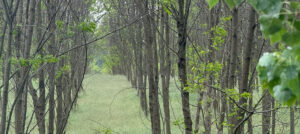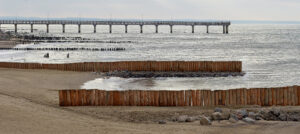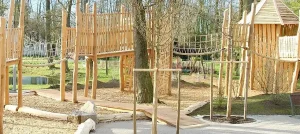
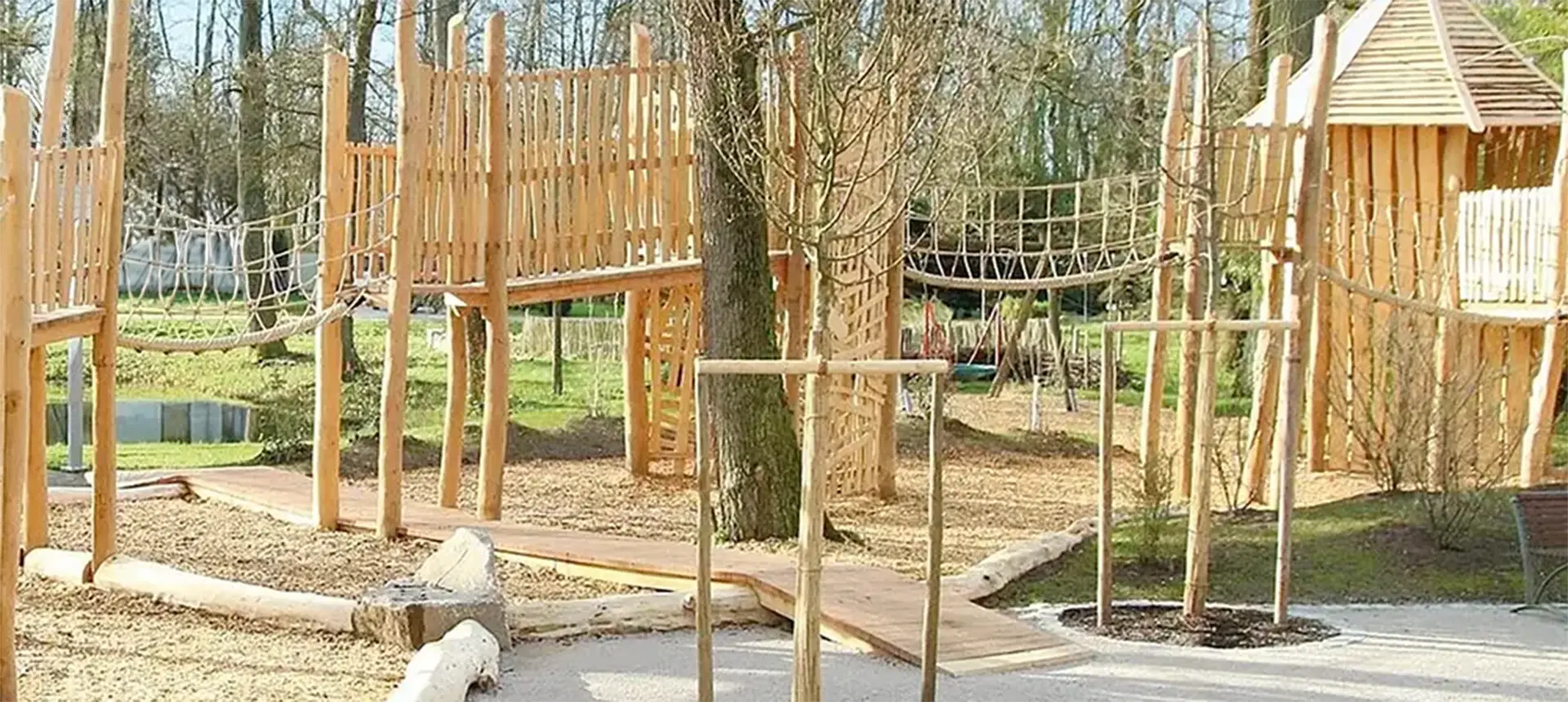
The places with the greatest potential for children’s development through creative outdoor play are natural environments. Forests, meadows, mountains, streams, and beaches offer endless opportunities for discovery, sparking imagination and creating play worlds. However, such spaces are rare in urban areas. That’s why we build playgrounds — to support children’s development through play and satisfy their need for movement in safe spaces.
Why Robinia?
Robinia wood is becoming increasingly popular as a material in playground design — and for good reason.
Extreme Durability
The heartwood of Robinia is highly resistant to weathering and wood-destroying fungi. It is classified in durability classes 1–2 (DIN EN 350-2), the same as tropical hardwoods that are no longer used in playground construction due to rainforest deforestation. Robinia is therefore the only native European wood in this top durability class.
– Oak and Sweet Chestnut: Class 2
– Larch and Douglas Fir: Class 3–4
– Spruce, Fir, Elm: Class 4
– Beech, Birch, Ash, Linden: Class 5 (not durable)
Safe Material
Robinia’s natural durability means it does not require chemical treatment:
– No chemical additives
– No leaching into the soil
– Safe for skin contact — a crucial advantage in playgrounds
Why Round Timber Must Be De-sapped (Sapwood Removal)
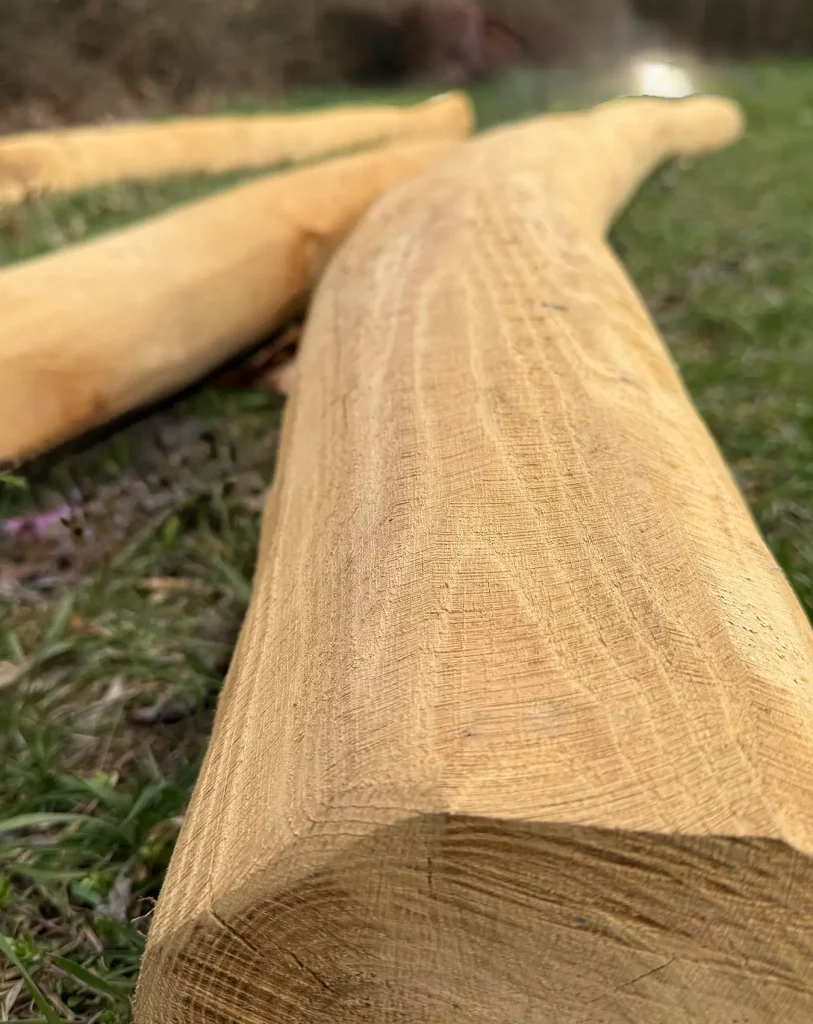
Only the mature heartwood of robinia (older than approx. 15 years) is classified in durability class 1–2. The younger growth rings form the sapwood.
A key step in processing robinia roundwood for playground construction is therefore the removal of sapwood (“de-sapping”), leaving only the durable heartwood.
Natural Shapes and Individuality
Robinia roundwood is processed in its natural growth form. Curves and irregularities are preserved. This creates play structures that blend harmoniously with nature or bring a touch of the natural world into urban settings. In contrast, metal, plastic, or machined softwood structures often look artificial. Robinia playgrounds are always unique, even with the same play elements.
Natural Colors
Robinia can be left untreated, showing its warm color, attractive grain, and pleasant texture. Over time, it develops a silvery-grey patina without losing quality. Color can also be applied tastefully for aesthetic effect.
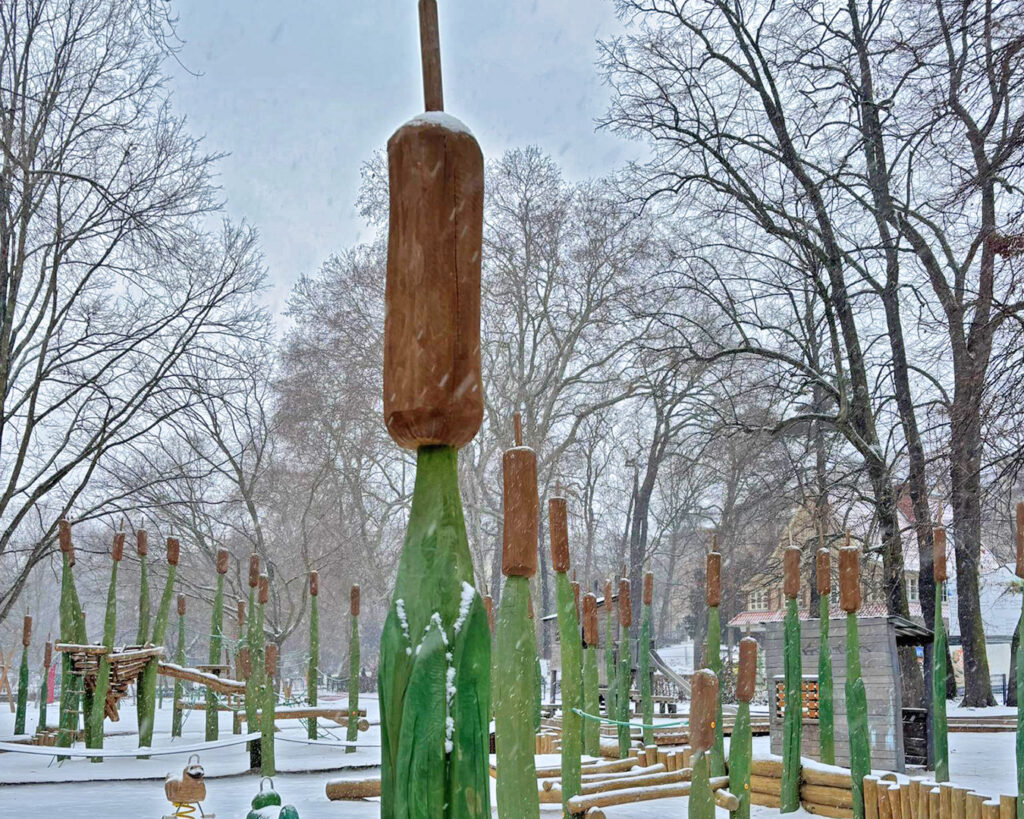
Example of a harmonious colour design for a playground made of robinia wood
Sustainability
Robinia has been cultivated in Europe since the 19th century. It grows quickly and is mainly grown in plantations today. Certifications such as FSC guarantee sustainable use of resources.
How long does robinia wood really last?
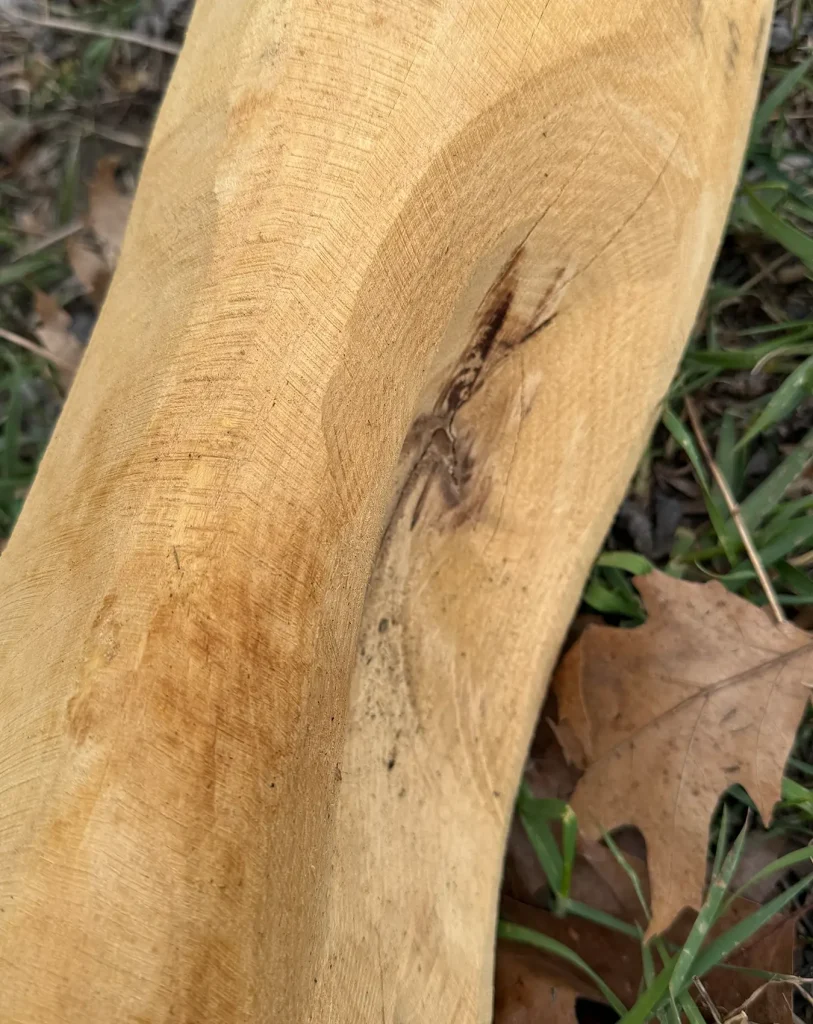
Based on our practical experience, the durability of robinia heartwood can be estimated as follows (without guarantee):
– In ground contact: up to 20 years
– Above ground: up to 18 years, typically around 15 years
– Under heavy use (climbing, gripping): 12–15 years
– With large knots, decay or structural weaknesses: in some cases under 10 years
Conclusion
Robinia wood is one of the most durable, natural, and safe materials for playground construction. Its longevity, natural appearance, and chemical-free durability make it ideal for creating natural play spaces. Proper processing — especially de-splinting and careful selection of logs — is crucial.
Why Round Timber Must Be De-sapped (Sapwood Removal)
Only the mature heartwood of robinia (older than approx. 15 years) is classified in durability class 1–2. The younger growth rings form the sapwood.
A key step in processing robinia roundwood for playground construction is therefore the removal of sapwood (“de-sapping”), leaving only the durable heartwood.
Example of a harmonious colour design for a playground made of robinia wood
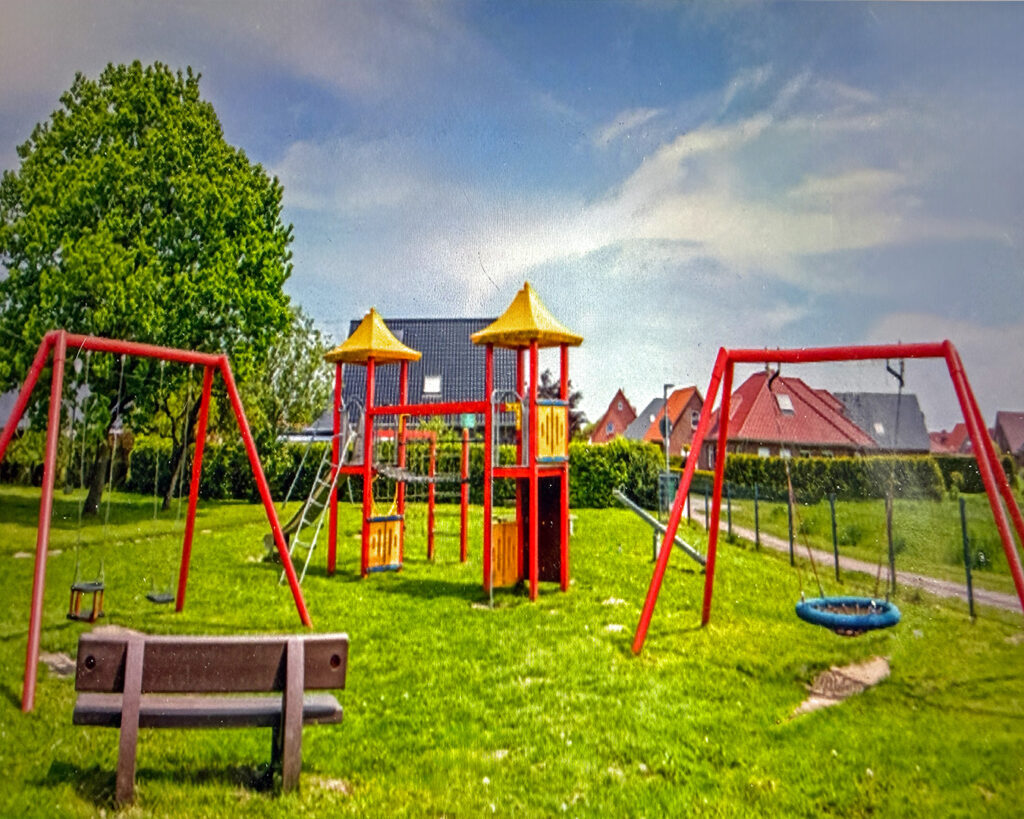
Colorful Playground Equipment Made of Plastic and Metal – An Alternative Approach to Designing Play Spaces
How long does robinia wood really last?
Based on our practical experience, the durability of robinia heartwood can be estimated as follows (without guarantee):
– In ground contact: up to 20 years
– Above ground: up to 18 years, typically around 15 years
– Under heavy use (climbing, gripping): 12–15 years
– With large knots, decay or structural weaknesses: in some cases under 10 years